UGC Production Planning: Brief Creators With a Hook Checklist and a Shot List
How brand managers replace the vague mood board with a concrete UGC brief: a hook checklist, a shot list, verbatim CTA lines, the FTC disclosure requirements, and the revision criteria that make footage usable on the first slate. Anchored to the FTC endorsement guides, the Metricool 2026 study, Buffer 2026, and platform-stated ranking signals.
Turn this page into live Superdirector work.
Ask from ChatGPT and let Superdirector add current social-video references, public-video analysis, Brand DNA, and campaign briefs on top of this static page.
By Bell Chen, founder. Last updated May 20, 2026.
The reason most UGC comes back uneven is rarely the creator. It is that the brief was a mood board. A typical brand brief in 2026 specifies the deliverable count (one Reel, two Stories, three TikToks) and the brand-safety constraints (no competitor mentions, no medical claims, no off-brand language), and then leaves every creative decision (the hook, the pacing, the shot order, the CTA) to the creator's judgment. Five creators read the same vague brief, make five different guesses, and the footage comes back as five different things, only some of which are usable.
The fix is to brief structure without scripting personality. A mid-tier creator working from a brief that names the hook structure, the shot list, and the CTA wording will reliably out-deliver a top-tier creator working from a mood board, because the mid-tier creator knows exactly what the brand needs and the top-tier creator is guessing. The brief's job is to remove the guessing about structure while leaving the creator's voice, delivery, and environment entirely alone, which is the part that makes UGC feel authentic in the first place.
There is also a failure mode that has nothing to do with creative quality and everything to do with legal exposure: disclosure. A sponsored UGC clip that does not disclose the partnership clearly enough is a liability regardless of how well it performs, and the standard is specific. The Federal Trade Commission requires that a disclosure be clear and conspicuous, which it defines in its endorsement guides as "difficult to miss and easily understandable by ordinary consumers" (ftc.gov). A brief that leaves disclosure to the creator to figure out is a brief that gambles with the brand's legal risk. This page documents the brief I use that handles both the creative and the compliance problem.
A brief that names observable filming decisions
The principle behind a usable brief is that every field should name something a reviewer can observe from the shipped clip. "Make it feel premium" is not observable; it is a vibe, and a vibe cannot be enforced or revised against. "Open with the product already in use, no logo card in the first three seconds, first spoken line is one of these three" is observable: the reviewer can watch the clip and confirm it. A brief built on observable decisions is a brief that produces usable footage and clean revision notes.
The hook checklist is the highest-value field, because the hook is the lever on watch time and watch time is what the recommendation feed weights most. Hootsuite's 2026 Instagram algorithm guide (blog.hootsuite.com) documents Adam Mosseri's confirmed ranking signals as watch time, likes per reach, and sends per reach. A creator who opens with a music intro or a logo card loses the watch-time race in the first second, and the clip is unusable no matter how good the rest is. The hook checklist names three to five permitted opening structures, each with a verbatim first line and a reference, and the creator picks one before filming. This single field prevents the most common reason a brief fails.
The shot list, the CTA library, and the prop and wardrobe notes turn the rest of the clip into observable decisions. The shot list names, per beat, the frame, the action, the verbatim spoken line, and the transition. The CTA library names the exact closing words (save this, send this to someone who needs it, comment your current setup) matched to the goal. None of this scripts the creator's personality; it scripts the structure, and the creator brings their voice to the structure. The result reads as authentic UGC because the delivery is theirs, and it comes back usable because the structure was specified.
The disclosure spec is the compliance field, and it is not optional for sponsored content. The FTC requires the disclosure to be clear and conspicuous, "difficult to miss and easily understandable by ordinary consumers" (ftc.gov). The brief must therefore specify three things: that the disclosure cannot be buried in the caption or the comments (the FTC has stated a disclosure in the comments is easily avoidable and not clear and conspicuous), that the built-in platform "Paid Partnership" tag alone may not be sufficient, and that for video the disclosure should appear in both the on-screen text and the spoken audio so a sound-off viewer still sees it. The brief names the exact disclosure language and its placement. Leaving disclosure to the creator is leaving the brand's legal risk to a guess.
Step-by-step: building the brief in blocks
Block one: mine five to eight references in the archetype
- When / duration
- 60 to 90 minutes
- Tools
- public competitor and peer UGC, a reference log
- Deliverable
- a log of references with hook structure, shot count, length, CTA, and disclosure method
Mine five to eight strong UGC deliverables in the target archetype (the unboxing, the use-case demo, the testimonial, the day-in-the-life). For each, log the hook structure, the shot count, the length, the CTA, and crucially the disclosure method, because you are studying compliant examples as well as creative ones. If your brand has run UGC before, mine your own past slate; if not, mine competitors and adjacent brands at your stage.
The reference set is the brief's evidence base. The hook checklist will draw its permitted structures from these references; the shot list will draw its beat patterns from them; the disclosure spec will be informed by which methods the strong examples used. Mining real references rather than inventing the brief from scratch is what grounds it in what actually works in the archetype.
Block two: write the hook checklist
- When / duration
- 45 to 60 minutes
- Tools
- the reference log, a hook checklist template
- Deliverable
- three to five permitted hook structures, each with a verbatim first line and a reference URL
Draft the hook checklist: three to five permitted opening structures pulled from the references, each with a one-sentence rule, a verbatim suggested first line, and a reference URL the creator can watch. "Open mid-action with the product already in use; first line: ‘I have used this every morning for three weeks and here is what changed’; see reference two" is a checklist entry. The creator picks one entry before filming.
The hook checklist is the field that most directly determines whether the footage is usable, because it prevents the dead opening that kills watch time. Naming verbatim first lines is the key move: "have a strong hook" is a vibe the creator will guess at, while three named first lines are a choice the creator makes. The named lines are what convert the hook from a hope into a specification.
Block three: write the shot list, props, and CTA library
- When / duration
- 60 to 90 minutes
- Tools
- the reference log, a shot list template
- Deliverable
- a beat-by-beat shot list, prop and wardrobe notes, and a CTA library with verbatim words
Write the shot list as a beat-by-beat plan: for each beat, the frame (what is in shot), the action (what happens), the verbatim line (what is said), and the transition. Add the prop list and the wardrobe shape so the creator arrives prepared. Then write the CTA library: the exact closing words, matched to the goal, so the creator is not improvising the most important two seconds of the clip.
The verbatim lines throughout are what separate a shot list from a mood board. "Talk about the durability" is a brief that produces an off-brand take; "say: ‘I have dropped this twice and it has not cracked’" is a plan the creator can execute. The shot list does not need to be filmed shot-for-shot like a Hollywood storyboard; it needs to name the beats clearly enough that the creator can execute them in their own style without a direction call after filming.
Block four: spell out the FTC disclosure requirement
- When / duration
- 20 to 30 minutes
- Tools
- the FTC endorsement guides, the brief
- Deliverable
- a disclosure spec naming the exact language and placement
Write the disclosure spec to FTC standard. Name the exact disclosure language ("Paid partnership with [brand]" or "#ad" placed where it is hard to miss), and specify the placement: in the on-screen text and in the spoken audio, not buried in the caption and never relegated to the comments. The FTC standard is that the disclosure is clear and conspicuous, "difficult to miss and easily understandable by ordinary consumers" (ftc.gov).
Be explicit that the platform's built-in "Paid Partnership" toggle alone may not satisfy the requirement, and that a disclosure in the comments does not, because the FTC has stated a comment disclosure is easily avoidable. The reason this block is non-negotiable is that it protects the brand from a liability the creative quality cannot offset. A perfectly performing sponsored clip with a buried disclosure is a problem, not a win, and the brief is where the brand controls that risk rather than delegating it.
Block five: write revision criteria and ship the brief
- When / duration
- 30 to 45 minutes plus per-slate review
- Tools
- the brief, the reference appendix, the deliverables
- Deliverable
- enforceable revision criteria, a kill criterion, and a reviewed slate
Write the revision criteria the reviewer can enforce from the shipped clip: did the creator use one of the permitted hooks, did the disclosure appear in both audio and on-screen, did the CTA use the library wording. Each criterion is observable, which is what makes a revision note specific ("re-shoot the open, the logo card pushed the hook past second three") rather than vague ("make it punchier"). Add a kill criterion: a brief field that two creators in a row miss gets rewritten before the next slate, because a field that keeps failing is a field that is unclear, not a creator who is careless.
Ship the brief with the reference URLs as an appendix so the creator can watch the examples, then review each deliverable against the named hook, shots, disclosure, and CTA. On the last day of the slate, revise the brief against the per-deliverable review before the next slate goes out. The per-slate revision is what makes the brief compound: each slate tightens it, and the next brief in the archetype starts from the improved version.
What good looks like (a worked sample slate)
The numbers below are a clearly disclosed fictional worked example, calibrated against the Metricool 2026 reach baselines and the Buffer 2026 variance findings. The brand, the creator slate, and the results are invented. Treat this as an illustration of the method, not a case study.
Brand: a fictional skincare DTC running a UGC slate of five creators for a use-case-demo archetype (the morning-routine clip). The old briefs were mood boards, and the prior slate came back with three of five clips needing re-direction after filming and one clip with a disclosure buried in the caption that legal flagged.
The new brief: block one mined six references, block two produced a three-entry hook checklist (open mid-routine, open on the skin concern, open on the before-state, each with a verbatim first line), block three wrote the beat-by-beat shot list and a CTA library, block four specified the disclosure (on-screen "#ad" plus a spoken "this is a paid partnership with [brand]" in the first five seconds), and block five wrote the revision criteria. The brief was a one-page doc plus a one-page shot list, shipped with the six references as appendix.
The result on the slate: four of five clips passed review on first delivery (versus two of five on the prior mood-board slate), the one revision was a specific, fast fix (the creator used a permitted hook but skipped the spoken disclosure, a 30-second re-record rather than a re-shoot), and zero clips had a compliance problem because the disclosure was specified, not guessed. The clip that opened on the skin concern cleared the team's save-per-reach floor by the widest margin, which the brand logged as a hypothesis for the next slate. The brief took a day to build, and the second slate in the same archetype reused most of it in two hours. The brief turned a slate that produced legal flags and re-shoots into one that produced usable, compliant footage on first delivery. That is the difference between a mood board and a brief.
Where UGC briefs break
Failure mode one: the hook field is too vague. The brief specifies brand safety and deliverable count and says nothing about the opening, so the creator opens with a logo card, the watch-time number collapses, and the clip is unusable. The fix is the hook checklist: three permitted structures, three verbatim first lines, three references, and the creator picks one before filming. This is the single field that most determines whether the footage comes back usable.
Failure mode two: leaving disclosure to the creator. The brief never specifies the disclosure, the creator buries "#ad" in the caption or relies on the platform tag alone, and the clip fails the FTC standard of clear and conspicuous (ftc.gov). The fix is the disclosure spec block: name the exact language and the placement (on-screen and spoken, never just the caption or comments). This protects a liability the creative quality cannot offset.
Failure mode three: scripting personality instead of structure. The brief over-reaches and dictates the creator's exact delivery and tone, which produces stilted, inauthentic footage that defeats the entire point of UGC. The fix is to brief structure (hook, shots, CTA wording, disclosure) and leave delivery, environment, and voice to the creator. The brief is a chord progression, not a karaoke track.
Failure mode four: writing the brief once and never revising it. The brand ships the same brief slate after slate without reading whether any field keeps failing, so the same vague hook field produces the same unusable opening every time. The fix is the kill criterion and the per-slate revision: a field two creators miss in a row gets rewritten, and the brief tightens after every slate. A brief that does not learn from its slates is a mood board with extra steps.
A counter-perspective worth flagging
A fair objection from creator-led brands: the most magnetic UGC often comes from giving a genuinely talented creator broad latitude and trusting their instincts, and a tight shot-list brief can flatten the spark that made you want to work with that specific creator in the first place. The argument is that you hired them for their voice, and a beat-by-beat brief overrides exactly the judgment you were paying for. Modash makes this case in its influencer briefing guide (modash.io): the goal is to provide the maximum possible creative freedom, because too many requirements and restrictions make the collaboration appear forced and inauthentic.
There is real merit there, and it points to a genuine tradeoff. For a small slate of high-trust, proven creators whose past work you already love, a lighter brief (the hook checklist and the disclosure spec, but a looser shot list) can produce better, more authentic footage than a tight beat-by-beat plan. The structured brief shines when you are running a larger slate of mixed-tier creators where consistency and predictability matter more than any single creator's spark, and where you cannot personally vet every creator's instincts.
I think the resolution is to scale the brief's tightness to the slate. A two-creator slate of trusted partners gets the hook checklist and the disclosure spec and a loose shot list. A ten-creator slate of mixed-tier creators gets the full structured brief, because at that scale the variance from latitude costs more than the spark it occasionally produces. The disclosure spec is the one block that never loosens regardless of trust, because the FTC standard does not care how talented the creator is. Everything else flexes with the slate.
Metrics to track for the UGC brief
Four metrics, split between brief-health metrics (is the brief working) and output metrics (do the clips perform). Output thresholds are floors for accounts in the 0-to-50K follower band, drawn from the Metricool 2026 and Buffer 2026 baselines.
First-delivery pass rate (brief-health metric): the share of clips that pass review on first delivery without a re-shoot or re-direction. A mood-board brief sits low; a structured brief should push this well up. This is the single clearest read on whether the brief is doing its job, because it directly measures whether the footage came back usable.
Disclosure-compliance rate (brief-health metric): the share of sponsored clips whose disclosure meets the clear-and-conspicuous standard (in both audio and on-screen, not buried). This should be 100 percent, and anything less is a legal exposure, not a performance dip. Track it as a hard gate, not a soft metric, because the FTC standard is binary.
Watch-through at three seconds (output metric): the share of viewers still watching past second three, the direct read on whether the hook checklist is producing strong openings. A clip that uses a permitted hook but still loses viewers past three seconds is a signal that the hook structure itself needs revisiting in the next brief.
Saves per reach (output metric): the percentage of unique viewers who tap save, the closest organic intent proxy. Floor for consumer UGC in 2026: roughly 0.40 percent. Read this per hook structure across the slate, because it tells you which permitted hook in the checklist is actually driving intent, which feeds the hook checklist revision for the next slate. Read these floors as moving targets, not fixed truths, because the underlying baselines shift with the population being measured. The composition of the accounts in any benchmark changes over time, which can move the medians more than actual platform performance does. Recalibrate the floor each quarter against your own slate rather than treating a published benchmark as a permanent line.
Where a planning-first tool fits
The brief is a one-page doc plus a one-page shot list, and it can live in a Google Doc or Notion with no tool required. A planning-first tool earns its slot at block one, the reference mine, because finding and breaking down five to eight strong references in the archetype by hand costs the better part of an hour per slate. Tools that index public UGC and surface the repeating hook and shot structures compress that. Superdirector is one option here (a saved-folder habit, Foreplay, and a hand-built scraper serve the same step). It sits upstream of production: it turns the reference mine into a hook checklist and a shot-list draft you finish by hand, and it does not film the UGC, edit it, schedule it, publish it, or write your disclosure spec. The disclosure block and the revision criteria are judgment and compliance calls the brand manager owns, because a tool cannot carry the brand's legal risk, and the brief is where that risk is controlled.
Sample Execution Plans
These example scripts show what this use case looks like once strategy turns into an actual production brief.
Across matched samples, the use case is translated into scripts of about 4 beats, repeatable setups in Darkened room/studio space and Outdoor desert or minimalist urban area and Home interior / Professional-looking minimalist workspace, and reference-backed decisions from aliabdaal and meshtimes.
Script examples
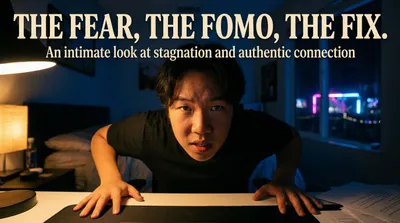
The Odyssey Plan: Choosing Your Path
Do you ever feel like you're just... waiting for your real life to start?
A vulnerable look at balancing three potential lives using the Odyssey Plan framework.
Reference source (featured reference): The Odyssey Plan is a method that helps you align with your future self when it comes to your life and goals 🤝 (This technique comes from Dave Evans and Bill… by @aliabdaal

Project Neon: Visualizing the Bass
Most people just hear the music at a rave. I wanted to see it.
A solo creator unveils a custom generative AI app that maps SF nightlife soundscapes in real-time using a unique tactile interface.
Reference source (featured reference): most things are designed to be consumed passively. i wanted to design something that asks for interaction. something more mindful and intimate. comment "HEAR… by @meshtimes
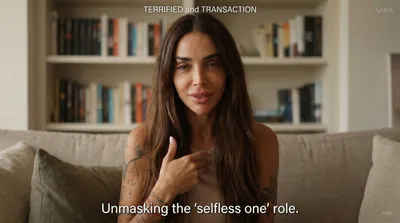
The 'Good Person' Trap
Stop calling your lack of boundaries 'being nice.'
Stop masking your fear of rejection as kindness and start reclaiming your energy through radical, honest boundaries.
Reference source (featured reference): 🎉 MARCH 24TH my book “Reparenting the Inner Child” comes out and I can promise you all this one is jam packed with info and a complete guide to healing. Lea…
Production cues
- The examples are intentionally executable: roughly 4 beats and a clear hook up front.
- The production setups repeat around Darkened room/studio space and Outdoor desert or minimalist urban area and Home interior / Professional-looking minimalist workspace.
- Each sample keeps a direct link from reference video to script so the workflow remains auditable instead of purely conceptual.
Adaptation notes
- Use the sample hook as a structure reference, then replace the subject matter with your own offer or audience pain.
- Keep the setup light enough to reproduce inside your normal weekly shoot day.
- Treat the linked analysis as the creative reference and the script as the execution layer you customize.
Disclosure by Bell Chen, founder of Superdirector: the reference-analysis and brief-drafting features mentioned here are part of the product I build. It is a planning and intelligence tool that sits upstream of production; it does not generate, edit, schedule, or publish video, and it does not create the UGC itself. Compliance guidance here summarizes the FTC endorsement guides and is not legal advice; benchmarks and quotes are sourced from the named reports and operators cited inline.
Frequently asked questions
How is this different from a mood-board UGC brief?
A mood board describes the feeling the brand wants. A brief specifies the hook structure, the shot list, the verbatim spoken lines, the CTA wording, the disclosure method, and the revision criteria. The mood board leaves every creative decision to the creator and then the reviewer explains direction after filming; the brief makes the decisions before filming so the footage comes back usable. The failure mode of the mood-board version is well known: every post starts to look the same. A specific-line brief is the structural fix, because it directs the structure while leaving the creator their voice.
Will a detailed brief stifle creator authenticity?
No, if the brief specifies structure and not personality. The hook checklist names permitted opening structures and verbatim first lines; the shot list names frames and beats; the CTA library names the words. None of that touches the creator's delivery, environment, or voice, which is what makes their content feel authentic. It is like giving a musician a chord progression: the structure is set, the interpretation is theirs. Most creators prefer a specific brief because it removes the guesswork about what the brand actually wants and cuts the revision rounds that come from a vague ask.
What exactly does the FTC require for sponsored UGC disclosure?
The disclosure has to be clear and conspicuous, which the FTC defines in its endorsement guides as "difficult to miss and easily understandable by ordinary consumers" (https://www.ftc.gov/business-guidance/resources/ftcs-endorsement-guides-what-people-are-asking). In practice that means a few things the brief must specify: the disclosure cannot be buried in the caption or hidden in the comments, because the FTC has stated a disclosure in the comments is easily avoidable and therefore not clear and conspicuous; relying on a platform's built-in "Paid Partnership" tag alone may not be sufficient; and for video, the disclosure should appear in both the on-screen text and the spoken audio so it is not missed by a viewer who has the sound off or is not reading. The brief should name the exact disclosure language and where it appears, rather than leaving the creator to guess.
How long does the first brief take to write?
Roughly one focused working day for the full build: the reference mine, the hook checklist, the shot list and CTA library, the disclosure spec, and the revision criteria. The first brief in a new archetype is the slowest because you are building the hook checklist and shot list from scratch. The second brief in the same archetype usually fits in a couple of hours, because the hook checklist, the shot structure, and the disclosure spec are reusable across creators in that archetype. The brief is a compounding asset: each one in a given archetype reuses most of the prior structure.
What is the most common reason a UGC brief fails on the first slate?
The hook field is too vague, by a wide margin. The brief carefully specifies the brand-safety rules and the deliverable count and then says nothing about the opening, so the creator opens with a music intro or a logo card, the watch-time number collapses past the three-second mark, and the clip is unusable no matter how strong the rest is. Watch time is one of the signals platforms weight most, per Adam Mosseri's confirmed ranking factors documented in Hootsuite's 2026 guide (https://blog.hootsuite.com/instagram-algorithm/), so a dead opening kills reach. The fix is the hook checklist: three permitted opening structures, three verbatim first lines, three reference URLs, and the creator picks one before filming.
Should the brief live in a fancy tool or a Google Doc?
A Google Doc or a Notion page is fine, and arguably better. The brief is a one-page document plus a one-page shot list that the creator, the reviewer, and the brand manager can each open and read in under a minute. The tool does not change the methodology; the discipline is that one document is the single source of truth and the contract references it. I have seen briefs work in a shared sheet, in Notion, and as a printed one-pager. The format does not matter. What matters is that the brief names observable filming decisions and that everyone is working from the same single document.
Get a concrete campaign artifact in 30 seconds
Build a UGC brief from proven formats, set up a brand profile in a planning-first tool