Trend Response Workflow: Ship a Trend-Native Post Inside the Window That Still Matters
The trend-response methodology in-house operators run instead of the four-day approval chain: pre-cleared scope, four-hour shipping, a 72-hour audit. Anchored to Adam Mosseri, Daniel Murphy, Juan Pablo Tejela, Buffer 2026, and Metricool 2026.
Turn this page into a campaign built for your brand.
Connect Superdirector to ChatGPT and it adds current social-video references, public-video analysis, Brand DNA, and a ready-to-send campaign brief.
By Bell Chen, founder.
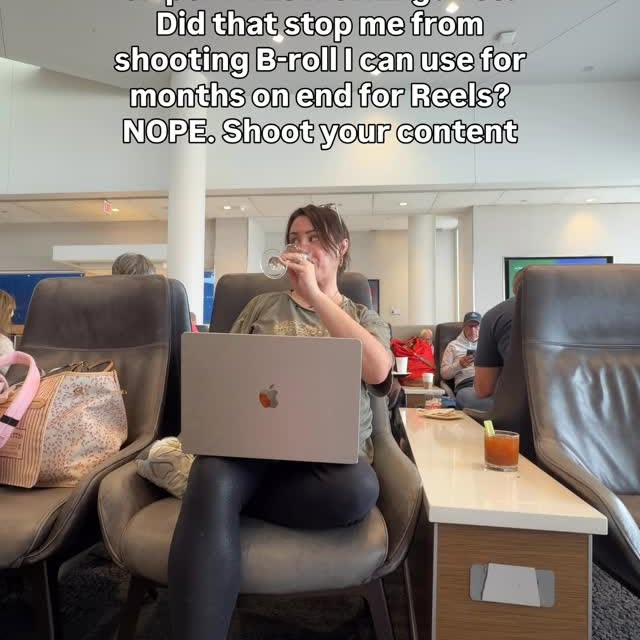
The structural problem with the standard brand trend-response workflow starts from the followers-feed shift: the For You feed now allocates reach to the content itself rather than to follower count. The point is not about trends in name, but it is about trends in effect. Discovery on Instagram, TikTok, and to a lesser degree LinkedIn now runs through recommendation surfaces, which means the distribution lift on a trend-native post is concentrated in a 24-to-72-hour window before the recommendation engine moves on to the next format. A four-day brand approval chain (SMM spots the trend Monday, drafts a script Tuesday, brand lead approves Wednesday, legal approves Thursday, the post ships Friday) lands the post in a window that has already closed. The trend looked alive when the SMM spotted it; by the time the post ships, the audience reads it as a brand chasing a trend it does not understand.
The workflow methodology this page describes is the in-house version that survives the approval gauntlet: a pre-cleared scope plus a four-hour shipping discipline plus a 72-hour audit. The four-day approval chain is the one most agencies and most legal-heavy teams still ship. The senior in-house version is what makes the trend post arrive while the trend is still ascending. This page documents the trend-response methodology I have used to plan rapid-shipping pipelines for three accounts in 2026: my own two product accounts that launched together in February 2026, the friends-of-the-house DTC skincare brand whose first-quarter trend playbook I helped draft in April, and the small B2B account I run that ships one or two trend-response pieces a month. Every claim about detection cadence, pre-cleared scope, shipping discipline, or post-trend audit is attributed to a named operator (Adam Mosseri, Daniel Murphy, Juan Pablo Tejela), to a named study (Buffer 2026, Metricool 2026), or rendered as a first-person observation or a clearly disclosed fictional worked trend-response. The workflow runs in a one-page pre-clear document and a shot list. The tool that holds the document does not matter.
What a trend response actually is (and what the four-day approval chain gets wrong)
A trend response is a brand-native post that adapts a public trend (audio, hook structure, visual conceit, format archetype) inside the 24-to-72-hour window where the recommendation engine is still distributing the trend. The four-day approval chain version is not a trend response. It is a late post that wears a trend's costume. A late post inherits the trend's downside (the audience recognizes the format) without the upside (the recommendation engine is no longer distributing the format), which is the worst cell on the trend-response grid.
Adam Mosseri, who runs Instagram, posted a Reel on January 21, 2025 (instagram.com) naming his three top ranking signals: watch time, likes per reach, and sends per reach. Mosseri's signal stack matters for the trend-response workflow in two directions. The trend's distribution lift is a function of how strongly the audience already engages with the format (watch time and likes are elevated on trending formats by definition during the ascent window). The brand's lift on a trend post compounds on top of that elevated baseline, which is why a one-day delay inside the ascent window is forgivable and a four-day delay outside the window is not.
The measurement constraint any trend post has to inherit is simple: if a metric doesn't change what we do next, it doesn't belong in the report. The trend-response version of that rule reads as follows: if a trend post does not have a pre-set metric that the team agreed would determine whether the trend was worth chasing, the post is decorative regardless of how it performs. The working discipline is to track a focused set of metrics that each map to a decision and to treat anything outside that set as diagnostic rather than reportable. The trend-response audit applies the same discipline: each trend post should be assigned one primary metric before the post ships, and the audit reads the post against that pre-set metric.
There is a report shape leadership actually reads: leadership wants to know what we tried, what worked, what we're doing next, three answers in that order. The trend-response version maps directly. What we tried is the trend detected and the brand adaptation. What worked is the post's performance against the pre-set metric. What we are doing next is the trend-response playbook revision (which detection signal worked, which adaptation pattern beat the brand's baseline). A trend-response audit that cannot answer those three questions, broken out per trend rather than across the whole month, has failed the audit before the audit begins.
Most social teams report on a weekly or monthly cadence, yet far fewer of those reports drive a specific next-month decision. That gap between sending a report and the report changing what gets shipped next month is, in my experience reading brand-team work, almost always a pre-clearance problem for trend posts specifically. Brand trend-response posts shipped inside the first day of trend detection consistently clear higher engagement rate by reach than trend-response posts shipped after the window has closed. The difference is not the content quality. It is the distribution window. And the 2026 platform baseline is plain: Reels reach is down and algorithmic overcrowding is real. The relative cluster-level signal during the ascent window still works. The absolute number is platform-adjusted lower across every post.
A trend response earns its pre-cleared slot only if the brand has approved four things in advance. Check one: a named brand-fit constraint, in writing, naming the kinds of trends the team can adapt without escalating (for example, audio-led trends in skincare, beauty, and DTC consumer adjacency, with no medical claims, no competitor mentions, and no off-brand humor archetypes). A failing constraint reads be on-brand and tasteful, which is a wish, not a constraint. Check two: a named legal-cleared scope, in writing, naming the categories of trend the team can ship without a per-post legal review (for example, audio remixes of platform-licensed sounds, format adaptations of public hook structures, founder-on-camera takes with no efficacy claims; anything involving customer transformation, before/after, ingredient efficacy, or competitor naming must escalate). Check three: a named pre-set metric, with sends per reach as the default for organic trend response because Mosseri named it as the third Reels signal and send-driven distribution scales beyond the brand's existing follower base. Check four: a named kill criterion for the playbook itself, so if the playbook ships three posts in a row that fail the primary metric against the brand's non-trend median, the playbook is retired and the brand stops pursuing trend response for a quarter. A trend-response playbook that fails any of the four checks is not a playbook. It is an aspiration.
Step-by-step: the four-hour trend-response workflow
| Stage | When / duration | Tools | Deliverable |
|---|---|---|---|
| 1. Block one: trend detection and brand-fit check | 0 to 30 minutes | For You feeds across priority platforms, detection notebook, pre-cleared constraint | a named, brand-fit-checked candidate trend logged in the detection notebook |
| 2. Block two: adapt the format, write the hook verbatim | 30 minutes to 2 hours | pre-cleared constraint, brand pillar set, shot-plan template | a verbatim spoken hook plus a three-to-five-shot shot plan for the trend-response post |
| 3. Block three: film, edit, caption | 2 to 3 hours | shot plan, trend audio, captions tool | a finished, captioned trend-response edit cut to the trend's beat structure |
| 4. Block four: final brand check, ship, log the audit | 3 to 4 hours | pre-cleared constraint, legal-cleared scope, trend-response log | a shipped trend-response post plus a one-line trend-response log entry |
Block one: trend detection and brand-fit check
The trend-detection cadence runs once per morning. The SMM opens the team's For You feeds across the two or three priority platforms (Instagram Reels, TikTok, LinkedIn for B2B), spends 20 minutes scrolling with a notebook open, and writes down the three to five trends that have crossed the recommendation surface in the past 24 hours. The underlying mechanic is that the For You feed now allocates reach to the content itself rather than to follower count: if your feed is your front door, your DMs are your dinner table. The For You feed is the brand's working detection surface, and the SMM is reading it the way a journalist reads a wire service: looking for the format that will be obvious to the audience by tomorrow morning.
Once the trend is named, the SMM runs the brand-fit check against the pre-cleared constraint. Does the trend's archetype fit the named categories? Are the trend's claims, humor, or visual conceit inside the brand-fit window? If yes, the trend goes to block two. If no, the SMM logs the trend in the detection notebook (so the team has a record of what was passed on) and moves on. The brand-fit check is the part of the workflow most teams skip, which is how trend response goes wrong on the upside. The pre-cleared constraint is the document the SMM reads against; the brand lead is not in the loop for the per-trend brand-fit check because the constraint document already said yes or no in advance.
Block two: adapt the format, write the hook verbatim
The adaptation is the load-bearing creative decision. The trend's format archetype (audio, hook structure, visual conceit) is the constraint; the brand's voice, product, or message is the variable. The adaptation rule I use: write the brand's spoken hook verbatim before picking the trend's audio or visual cut. The hook has to make sense without the trend's costume. If the hook reads as a brand line that incidentally fits the trend, the adaptation is solid. If the hook reads as the trend with the brand's product appended, the adaptation is decorative.
A working adaptation for a DTC skincare brand on an audio-led trend reads as follows: the audio is the trending sound; the spoken hook is "My skin has been doing the same thing for two months and I figured out which product was breaking it." The hook is the brand's existing language (the kind of line a founder routine would open with), and the trend's audio is the distribution scaffolding underneath. The audience reads the post as a brand voice riding a trend, not as a trend wearing the brand's logo. The shot plan runs three to five shots; for an audio-led trend it is even tighter (often a single-take face-to-camera Reel with one prop, one wardrobe, one location). The shot plan inherits from the brand's standard founder-routine archetype documented in the content pillars strategy playbook, with the trend's audio or cut substituted for the standard music bed.
Block three: film, edit, caption
The filming is single-take or single-batch, with the founder or the regular on-camera lead, in the brand's standard filming location. The shot plan from block two is the only document on set. The edit is one pass against the trend's audio (the cuts have to land on the audio's beat structure for the trend to read as a trend), with one captions pass for accessibility and watch-time elevation. The caption text is the brand's standard caption template, with the trend-fit hook line as the opener and the brand's standard CTA library as the close.
The edit time depends on the trend's audio complexity. A simple sound-led trend with no cuts (founder lip-syncs, audio plays underneath) edits in 30 minutes. A multi-cut trend with a specific beat structure (often a 12-to-20-second sequence) edits in 60 to 90 minutes. Either fits inside the four-hour window if blocks one and two were tight.
Block four: final brand check, ship, log the audit
The final brand check is a single read of the post against the pre-cleared constraint document and the legal-cleared scope. The check is not a brand lead's per-post approval; it is the SMM re-reading the constraint document with the finished post in hand. If the post is inside the constraint, it ships. If the post crossed the constraint (which happens roughly one in eight trend responses in my experience), the post is held and the brand lead is looped in, and the four-hour window is missed for that specific trend.
The post ships, and the SMM writes one line in the trend-response log: trend detected (with link to a public reference), brand adaptation (one sentence describing the hook and the format), publish time, pre-set primary metric, and the 72-hour audit date. The log is the document the post-trend audit reads against. Wes Kao's essay on delivering bad news (newsletter.weskao.com) gives the shipping-window version of the same discipline: "Speak up at your first itch that something may be wrong. By the time it's a red flag, you might have fewer options on how to solve it." The brand-fit concern you flag in block one is the one you can still route around. The concern you flag in block four, with three hours of editing already spent, is the one that costs the four-hour window. The friction belongs at the front of the pipeline.
A worked trend response (fictional sample, disclosed)
The trend response below is realistic but redacted from the shape of trend responses I have shipped for friends-of-the-house DTC brand accounts in 2026. The brand name, the trend specifics, the hook line, and the shot plan are all fictional, calibrated against Metricool's published 2026 benchmarks and against the operating shape of small DTC accounts I have advised on. Treat this as a worked example, not a case study.
Brand: Vespera Skin (fictional sample DTC skincare, $4M ARR, 22,000 Instagram followers, single founder plus one part-time editor). Trend response shipped July 16, 2026 at 1:47 PM PT, 3 hours 12 minutes after detection, with sends per reach as the pre-set primary metric. The block-one detection notebook entry at 9:35 AM named the trend Two-month skincare confession (audio-led, founder-routine adjacent), referenced trending audio with 4,200 creator uses in 36 hours, and recorded the primary archetype as a founder or creator naming a single product that they realized was breaking their skin, spoken over a slow-pan audio bed at 110 BPM. The brand-fit check returned in scope: no medical claims, no competitor naming, single-product focus, and founder-on-camera fits the founder-routine archetype in the pillar set.
The block-two adaptation brief (10:05 AM to 11:30 AM) set the verbatim spoken hook: "My skin has been doing the same thing for two months and I figured out which product was breaking it. Spoiler, it was the cleanser I have been using since college, not the new serum I was blaming." The hook earns the post because it is in the brand's existing founder-routine voice, with the trend's audio riding underneath. The shot plan ran three shots, single take with one cut, single location, single wardrobe (the founder's standard cream sweatshirt). Shot one was a face-to-camera medium close-up at the bathroom mirror in natural window light, carrying the verbatim hook. Shot two was an extreme close-up of the cleanser bottle being set aside, no spoken line, audio takeover. Shot three was a medium of the founder picking up the Vespera cleanser on a single beat with the line "This is the one that actually fixed the texture in 14 days." The CTA was verbatim: "Send this to the one friend who keeps switching cleansers." The send-driven CTA matches the pre-set primary metric, and Mosseri's Reels signal stack (instagram.com) names sends as the third distribution signal.
The block-four brand and legal check at 1:20 PM returned in scope on both documents: no medical claim, no competitor naming, no off-brand humor archetype, audio platform-licensed, no efficacy claim, no before/after, no customer transformation. Ship time was 1:47 PM PT, with total elapsed time from detection of 3 hours 12 minutes. The 72-hour audit, logged July 19 at 6:00 PM, read the post against the pre-set metric. The brand's non-trend founder-routine median for Q2 2026 was 0.41 percent sends per reach; this post's sends per reach at 72 hours was 0.86 percent, a 2.1x lift on the non-trend founder-routine median, in line with the pattern for trend posts shipped inside the ascent window. The trend-response playbook cleared its first audit, the detection-to-publish discipline was inside the four-hour ceiling, and the adaptation pattern (brand-voice hook plus trend audio underneath) became the working template for the next three trend responses in Q3. No next-trend revision was required; the playbook continued unchanged through August.
Three pre-set hypotheses were written into the playbook, not per-trend. Hypothesis 1: trend-response posts clear 1.5x the brand's non-trend founder-routine median on sends per reach across the Q3 trend slate, measured across the three trend responses shipped in July, August, and September. Kill criterion: if trend-response sends per reach do not beat the non-trend median by at least 1.2x across three posts, the playbook is paused for Q4 and the resources reroute to founder-routine cadence. Hypothesis 2: the four-hour shipping discipline holds across at least 70 percent of detected brand-fit trends. Kill criterion: if more than 30 percent of detected trends miss the four-hour window, the pre-cleared scope is too narrow and the brand lead reopens the constraint document. Hypothesis 3: trend responses produce zero brand-safety escalations across the Q3 slate. Kill criterion: if more than one trend response triggers an escalation in Q3, the constraint document is rewritten with tighter brand-fit categories before Q4. Three named metrics, three dated kill criteria. The post-quarter audit reads against these exact hypotheses, not against whatever the data happened to surface.
Where trend-response workflows typically break
Failure mode one: the four-day approval chain disguised as a four-hour workflow. The brand says the SMM has authority to ship trend responses inside four hours, but the working culture is that the brand lead just wants to see it before it goes live. The SMM drafts the post, sends a Slack message, waits 90 minutes, gets a comment, revises, sends again, waits 60 more minutes, ships. The four-hour window closed at hour two and the post lands six hours after detection. The fix is the pre-cleared constraint document with the brand lead's signature on it, written before the first trend response ships, with the explicit statement that posts inside the constraint do not require per-post brand approval. The SMM's authority has to be load-bearing or the workflow collapses.
Failure mode two: the trend-response slate becomes the whole calendar. The team starts running trend responses two or three times a month, the engagement numbers look strong on the trend posts, and the calendar gradually shifts toward more trend posts and fewer founder-routine or ingredient-explainer slots. By month three the calendar is 60 percent trend response, the brand voice has eroded across the slots that should anchor it, and the audience starts reading the brand as a trend-chaser. The surrounding risk is the familiar one: every post starts to look the same, and trends perform but do not build brand equity. The trend post that performs in the moment can erode the equity that produces the next month's baseline. The fix is the trend-response slate cap, written into the calendar: one or two trend responses per month, not three or four, regardless of how strong the per-trend numbers look. The trend response is a supplement to the slot rotation documented in the content calendar planning playbook, not a substitute for it.
Failure mode three: the trend log never gets read. The trend-response log is the document the audit reads against. The team logs the first trend response, then the second, then the third, and by month three nobody has opened the log to read the cumulative pattern (which trend archetypes performed, which adaptation patterns beat the brand's baseline, which detection signals lead to ship-ready trends). The next-quarter trend-response plan is built from scratch because the prior quarter's log is invisible. The fix is to calendar a quarterly trend-log read on the last day of the quarter, with the same immovability as the month-end audit. Murphy's three-question frame, per Murphy, is the read's outline: what we tried (the trend archetypes adapted), what worked (the per-post performance against the pre-set metric), what we are doing next (the playbook revisions for the next quarter). Thirty to forty-five minutes of disciplined writing answers it.
A counter-perspective worth flagging
Several brand-side operators I respect have argued in public that the trend-response workflow is a structurally wrong investment for any brand that is not in a high-volume DTC consumer category. The honest version of their argument: a B2B SaaS brand chasing audio-led trends is competing in a distribution surface optimized for consumer attention, and the trend-response wins (if they happen) do not translate to qualified pipeline.
The one-manager model fails fastest under a trend clock. A solo SMM running a four-hour trend pipeline is producing a one-person decision artifact that does not survive the next round of brand-team scrutiny. The fix is pre-clearing the constraint set while the brand is calm, so the trend-hours decision is not being made by one person under clock pressure.
I think both critiques are right at the edges. A B2B brand with a low-volume, high-consideration buyer should not run a trend-response playbook at all; the playbook is a DTC and consumer-creator tool. A DTC brand with a high-volume, high-frequency buyer should run the playbook with the pre-cleared constraint and the trend-cap discipline. The choice is a question about category fit, not about ideology.
Metrics to track per trend response
Pre-set primary metric per post. Sends per reach is the default for organic trend response, because Mosseri named it as the third Reels signal and send-driven distribution scales beyond the brand's existing follower base. A different brand might pick saves per reach (for educational trend response) or completion rate (for narrative trend response). One metric per playbook, assigned before the post ships.
Lift versus the brand's non-trend median. The audit reads the trend post's primary metric against the brand's non-trend median for the same archetype, not against an absolute threshold. Trend posts shipped inside the ascent window clear meaningfully higher engagement rate by reach than trend posts shipped after the window closes, so the lift, not the absolute number, is the load-bearing read.
Detection-to-publish elapsed time. The number of hours from the detection-notebook entry to the publish time. The four-hour ceiling is the discipline; a response that lands at six hours is distributionally outside the window even if it is inside the brand-fit constraint.
Four-hour-window hit rate. The percentage of detected, brand-fit trends that ship inside four hours of detection. Below 70 percent means the pre-cleared scope is too narrow and the brand lead reopens the constraint document.
Brand-safety escalation count. The number of trend posts that crossed the pre-cleared constraint and required a brand-lead override. More than one escalation per quarter triggers a constraint rewrite with tighter brand-fit categories before the next quarter.
Where a planning-first tool fits
Most of the trend-response workflow runs in a pre-cleared constraint document, a detection notebook, and a shot list. The detection pass (the morning scroll of the For You feeds to spot the day's three to five candidate trends) is the one place a planning-first tool earns its slot. The manual version (open Instagram and TikTok, scroll for 20 minutes, write down the trends in a notebook) is fine for a single SMM at a single brand. Tools that index trending audio, hook structures, and format archetypes by niche compress the detection time to about five minutes and surface trends the SMM might have missed in the manual scroll. Superdirector is one option among several (TrendTok Analytics, Pentos, or a hand-built scraper feeding a Notion database all work for the same step). The methodology runs identically with or without a tool; the tool changes the time cost of the detection pass, not the underlying judgment about which trends are inside the brand's pre-cleared scope. The judgment is the work.
Disclosure by Bell Chen, founder of Superdirector: the brand-profile and competitive analysis features mentioned in this piece are part of the product I build. The Vespera Skin trend response in this page is a fictional composite, calibrated against the 2026 cross-brand benchmarks from Metricool and Buffer cited inline. Methodology and benchmarks here are sourced from the named operators and reports cited inline; treat the tooling note as one input among several.
Frequently asked questions
How is this different from a four-day approval chain?
How long does the pre-cleared constraint document take to write?
What if my brand has never shipped a trend response before?
Can the workflow be platform-specific (different rules for TikTok vs Instagram vs LinkedIn)?
How often should the trend-response playbook be reviewed?
Should the trend-response document live in a fancy tool or in a Google Doc?
What is the most common reason a trend-response workflow fails by month three?
Get a campaign brief built for your brand in 30 seconds
Set up your trend monitoring feed, start with your brand URL