Restaurant Social Media: A Kitchen Content System That Survives Service
How lean restaurant teams keep a 4 to 5 post weekly cadence without pulling the chef off the line: prep-window filming, format buckets, and content built around "I need to eat there" psychology. Anchored to the documented Keith Lee effect (Restaurant Business), the Metricool 2026 study, and Buffer 2026.
Turn this page into live Superdirector work.
Ask from ChatGPT and let Superdirector add current social-video references, public-video analysis, Brand DNA, and campaign briefs on top of this static page.
By Bell Chen, founder. Last updated May 20, 2026.
Before a single TikTok video, Janel Prator's dessert shop The Puddery in Texas had days with two customers. After one viral review, Restaurant Business reported, daily traffic never dipped below 130 guests and ran 200 to 250 on weekends (restaurantbusinessonline.com), with Prator telling the publication, per Prator: "I used to go out and greet the line every morning, but now I have a team, so I am not the only one." Easy Street Burgers, owner Alfred Asatryan, saw 70 people waiting at opening and three-hour peak waits, describing it, per Asatryan, as a "domino effect" that spread "like wildfire on the internet." Food content, when it triggers the right pull, does not just earn views. It fills tables.
The problem is that almost no restaurant can produce that content on purpose, because the people who could make it are the people running service. The chef is on the line, the manager is on the floor, and the person holding the phone has no system, so the content is sporadic and generic and forgettable. The miss is treating content as a task that competes with service. The fix is a system that fits inside the prep window, where the dramatic knife work and the ingredient reveals are happening anyway.
This page documents the kitchen content system I use to plan a 4 to 5 post weekly cadence for lean restaurant teams without pulling anyone off the line. Every claim about filming windows, format buckets, the "I need to eat there" pull, or measurement is attributed to a named operator, a named report, or rendered as a clearly disclosed fictional worked example. The method runs in a spreadsheet plus a shot list. No tool is load-bearing.
Why restaurant content stalls (and how the prep window fixes it)
Restaurant content stalls because it is scheduled as a separate task that competes with service, and service always wins. The chef will not stop plating to stage a shoot, and they should not. The system that survives is the one that films what the kitchen is already doing inside the windows where it is already doing it. Prep hours produce the knife work, the ingredient reveals, and the recipe walkthroughs. Plating during service produces the final reveal. Neither requires a separate production; both require a shot plan so the filmer executes a checklist instead of improvising in a moment they do not have.
The content that fills tables runs on "I need to eat there" psychology, which is a sensory pull, not an informational one. The documented Keith Lee effect is the clearest public proof of how strong that pull is. Restaurant Business documented (restaurantbusinessonline.com) The Puddery going from two customers a day to a sustained 130-plus, and Easy Street Burgers drawing three-hour waits, on the strength of sensory food content that made viewers feel the food before they tasted it. The lesson for a restaurant's own content is that the prep drama and the plating reveal are the formats that trigger the pull, not the polished commercial.
The trap that generic food content falls into is that every post starts to look the same: trends perform but do not build brand equity. Every restaurant films sizzle reels now, and a sizzle reel with no chef personality and no signature dish is interchangeable with every other one. The brand equity comes from the specific: this chef's voice, this signature dish, this local angle. The format buckets have to include the chef story and the signature dish, not just the prep drama, or the content earns views and builds no recognizable restaurant.
The discovery shift is the reason a small neighborhood spot can compete at all. The For You feed now allocates reach to the content itself rather than to follower count. A restaurant with 300 followers and a knife-work clip that triggers the pull out-reaches a chain with 300,000 followers and a polished ad, because the feed allocates reach to the content, not the follower count. Reach is scarce, with organic reach on Instagram Reels tightening year over year, so the sensory clip that earns the watch is the one that finds the diner.
Step-by-step: the kitchen content system
Mine 12 to 15 strong food videos in your cuisine and market
- When / duration
- 2 to 3 focused hours
- Tools
- spreadsheet, browser, public food accounts
- Deliverable
- a breakdown of each video (the sensory hook, the format bucket, the dish, the "I need to eat there" trigger)
Pick the strong food videos in your cuisine and your local market, not aspirational accounts from another city. For each, break down the sensory hook (the sizzle, the pour, the crunch, the cheese pull), the format bucket it belongs to, and what specifically triggers the "I need to eat there" pull. The documented Keith Lee cases (restaurantbusinessonline.com) are the proof of the pull; your local breakdown is where you learn what triggers it for your cuisine.
Note which videos use real sensory capture and which are over-produced. The sensory ones are the templates; the over-produced ones are the cautionary examples.
Set up the brand profile
- When / duration
- 1 to 2 focused hours
- Tools
- a one-page brand brief
- Deliverable
- a one-page profile: concept, signature dishes, chef personality, target diner
Write down the concept, the two or three signature dishes nobody else makes, the chef's actual personality (gruff, joyful, obsessive, funny), and the target diner. This is the document that keeps the content specific instead of generic, because every script traces back to it. The signature dish and the chef personality are the brand-equity differentiators that a generic sizzle reel lacks.
A restaurant that skips this step produces interchangeable content. The profile is what makes the difference between "a sizzle reel" and "that chef's sizzle reel."
Name the format buckets and write the weekly scripts
- When / duration
- 2 focused hours per week
- Tools
- the breakdowns, the brand profile, a script template
- Deliverable
- 4 to 5 lightweight scripts per week mapped to recurring format buckets
Name the recurring buckets: prep drama (the knife work, the sizzle), plating reveal (the finished dish), chef story (the personality and the why), customer reaction (the table response), and kitchen behind-the-scenes (the rush energy). Write four to five lightweight scripts a week against the buckets, weighting toward the prep-drama and plating-reveal buckets that trigger the pull, but always including at least one chef-story or signature-dish script for brand equity.
Lightweight means a hook, a dish, and a CTA, not a treatment. The script fits on an index card the filmer can read in the prep window.
Build kitchen-friendly shot plans tagged to a window
- When / duration
- 1 focused hour per week
- Tools
- the scripts, a shot-plan template
- Deliverable
- one shot plan per script (framing, the dish, the sensory moment to capture) tagged prep or plating
For each script, specify the framing (close-up on the knife, overhead on the plate), the dish, and the exact sensory moment to capture (the sizzle, the pour, the cheese pull). Tag each script to its window: prep (10am to 11:30am) for the knife work and ingredient reveals, plating during service for the finished reveal. The shot plan is the only document the filmer needs.
Quick setups, natural light, one person with a phone. No crew, no separate lighting rig, no staged shoot. The plan keeps the filming inside the kitchen's rhythm.
Assign one filmer and read the signal weekly
- When / duration
- 20 to 30 minutes per filming session plus a weekly read
- Tools
- the shot plans, a scheduling tool
- Deliverable
- a shipped 4 to 5 post weekly cadence plus a weekly read of saves, sends, and profile visits by bucket
Assign filming to one designated staff member during prep hours using the shot-by-shot plan. The filmer executes the checklist; nobody else stops working. Post on the cadence, then run a weekly read clustering posts by bucket and reading saves per reach, sends per reach, and profile visits per reach for each bucket.
The weekly read finds the "I need to eat there" formats: the buckets that earn saves and sends are the ones driving the door. Weight the next week's scripts toward them, and keep the chef-story bucket in the mix for brand equity even if it earns fewer saves.
What good looks like (a worked sample week)
The numbers below are a clearly disclosed fictional worked example, calibrated against the Metricool 2026 reach baselines and the documented shape of the Keith Lee effect cases. The restaurant, the dishes, and the cluster results are invented. Treat this as an illustration of the method, not a case study.
Restaurant: Carbone's Corner (fictional sample neighborhood Italian spot, one chef-owner, one front-of-house staffer who films). Brand profile: red-sauce concept, signature dishes (the vodka rigatoni, the garlic-knot pull-apart), chef personality (gruff Brooklyn obsessive), target diner (local families and date-night couples). The breakdown of 14 local food videos showed the cheese-pull and the sauce-pour as the strongest sensory triggers in the cuisine.
The week: five scripts across the buckets. Two prep-drama (the rigatoni sauce pour with sound on, the garlic-knot dough work), one plating reveal (the cheese pull on the finished rigatoni), one chef story (why the gruff owner makes the sauce his grandmother's way), one customer reaction (a date-night couple's first bite). Each tagged to a window: the prep and chef-story shots in the 10am window, the plating and reaction shots during dinner service. The filmer captured all five in two short sessions inside the existing rhythm.
Three hypotheses, written before the week. Hypothesis one: the cheese-pull plating reveal earns the highest saves per reach (the pure sensory pull). Hypothesis two: the chef-story video earns the most profile visits, because personality drives the "who is this place" curiosity. Hypothesis three: the customer-reaction video earns the most sends, because a real diner's first bite is the most shareable "we have to go" content. The weekly read confirmed all three: the cheese pull saved, the chef story drove visits, the reaction earned sends. The next week weights toward cheese-pull and reaction content while keeping one chef-story script for the brand equity. The system held the cadence without the chef ever leaving the line.
Where restaurant content systems break
Failure mode one: staging separate shoots. The team schedules a content shoot outside service, the chef resents it, it competes with the actual work, and it dies within a month. The fix is the two-window system: film what the kitchen is already doing inside the prep and plating windows, with a shot plan so the filmer executes a checklist instead of staging anything. Content that fits inside service survives; content that competes with it does not.
Failure mode two: all prep drama, no personality. The team films nothing but sizzle reels, the content earns views and looks like every other restaurant, and the brand never becomes recognizable. This is exactly the equity trap: trends perform but do not build brand equity. The fix is baking the chef-story and signature-dish buckets into the weekly cadence, not just the prep drama.
Failure mode three: measuring likes instead of saves and sends. The team celebrates a clip with lots of likes that drove no bookmarks or shares, mistaking entertainment for foot-traffic intent. The fix is reading saves per reach (the bookmark-to-visit signal) and sends per reach (the word-of-mouth that fills tables), the two numbers closest to the door and the only ones worth changing the plan over.
Failure mode four: assuming the content does the whole job. A restaurant goes viral, the door fills, the kitchen cannot keep up, the food and service slip, and the new traffic never returns. The documented Keith Lee cases carry this exact caveat (restaurantbusinessonline.com): viral attention does not always convert to lasting business. The fix is operational, not content: the content drives the door, but the kitchen and the operations are what keep it. Plan the capacity before you plan the virality.
A counter-perspective worth flagging
Some restaurateurs I respect argue that chasing social-media content is a distraction from the only thing that matters, which is the food and the room, and that a great restaurant fills its tables on word of mouth and repeat business without a single TikTok. Their honest version: the time the chef-owner spends thinking about content is time not spent on the menu, and a viral video brings in a wave of one-time tourists who never become regulars.
There is real truth in that, and the documented Keith Lee cases support the caution as much as the upside. Restaurant Business's own reporting noted that viral attention does not always convert to lasting business (restaurantbusinessonline.com); the restaurants that sustained it had the food and the operations to keep the new traffic. A content system that drives a door the kitchen cannot serve is worse than no content at all.
I think the resolution is the prep-window discipline itself. The reason this system films inside the existing kitchen rhythm, with one filmer and a shot plan, is precisely so the chef-owner does not trade menu time for content time. If the content system requires the chef to leave the line, the critics are right and it is a distraction. If it captures what the kitchen is already doing and the operations can serve the door it drives, it is leverage. The system is designed to be the second thing, not the first.
Metrics to track week to week
Four metrics, with thresholds drawn from the Metricool 2026 and Buffer 2026 baselines. Saves and sends are the foot-traffic proxies; reach and visits are the leading indicators.
Saves per reach (the bookmark-to-visit signal): the percentage who save the clip to revisit your restaurant. Floor for local food content in 2026: 0.40 percent. This is the closest organic proxy for a viewer planning to come in. The prep-drama and plating-reveal buckets should clear it.
Sends per reach (the word-of-mouth signal): the percentage who DM the clip to a friend. Floor: 0.30 percent. Sends are the "we have to go here" share that fills tables, which is why the customer-reaction and signature-dish buckets should be designed to earn them.
Profile visits per reach (the discovery signal): the percentage who tap through to the restaurant profile, where the hours, location, and menu live. Floor: 1.2 percent. The chef-story bucket drives this because personality answers the "who is this place" question that precedes a visit.
Watch-through rate (the reach gate): the percentage who watch to the sensory payoff (the cheese pull, the plate reveal). For a 15-second clip, a floor of 45 percent watch-through is the working target; below 30 percent the sensory hook is landing too late and the edit needs to front-load the sizzle.
Where a planning-first tool fits
The brand profile, the weekly scripts, and the shot plans run in a spreadsheet and on index cards in the kitchen. The one place a planning-first tool earns its slot is the food-content breakdown, where mining 12 to 15 local videos and naming the buckets by hand costs two to three hours a month. A tool that indexes public food content in your cuisine and surfaces the recurring sensory hooks and format buckets compresses that to under an hour, and can turn the brand profile into the weekly scripts and shot plans you hand to the filmer. Superdirector serves that research-and-scripting layer; it does not film in the kitchen, edit the clip, schedule the post, or publish, which stay with your one filmer and a phone. The judgment about which signature dish anchors the week is the chef's; the tool changes the time cost of the breakdown.
Sample Execution Plans
These example scripts show what this use case looks like once strategy turns into an actual production brief.
Across matched samples, the use case is translated into scripts of about 4 beats, repeatable setups in Darkened room/studio space and Outdoor desert or minimalist urban area and Dimly lit home studio and Window view of city street, and reference-backed decisions from aliabdaal and pablostanley.
Script examples
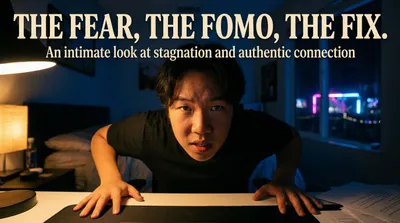
The Odyssey Plan: Choosing Your Path
Do you ever feel like you're just... waiting for your real life to start?
A vulnerable look at balancing three potential lives using the Odyssey Plan framework.
Reference source (featured reference): The Odyssey Plan is a method that helps you align with your future self when it comes to your life and goals 🤝 (This technique comes from Dave Evans and Bill… by @aliabdaal
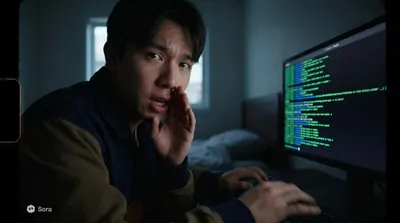
The Reality Glitch
I wanted to see if I could rewrite reality using just my code.
A solo developer bridges the gap between code and physical reality using a real-time AI overlay.
Reference source (featured reference): you can use @efectodotapp not just to design apps or websites but any visual assets, and since you can connect it to your codebase, it knows your brand/style b… by @pablostanley

The 'Good Person' Trap
Stop calling your lack of boundaries 'being nice.'
Stop masking your fear of rejection as kindness and start reclaiming your energy through radical, honest boundaries.
Reference source (featured reference): 🎉 MARCH 24TH my book “Reparenting the Inner Child” comes out and I can promise you all this one is jam packed with info and a complete guide to healing. Lea…
Production cues
- The examples are intentionally executable: roughly 4 beats and a clear hook up front.
- The production setups repeat around Darkened room/studio space and Outdoor desert or minimalist urban area and Dimly lit home studio and Window view of city street.
- Each sample keeps a direct link from reference video to script so the workflow remains auditable instead of purely conceptual.
Adaptation notes
- Use the sample hook as a structure reference, then replace the subject matter with your own offer or audience pain.
- Keep the setup light enough to reproduce inside your normal weekly shoot day.
- Treat the linked analysis as the creative reference and the script as the execution layer you customize.
Disclosure by Bell Chen, founder of Superdirector: the brand-profile and competitive-analysis features mentioned here are part of the product I build. It is a planning and intelligence tool upstream of production; it does not film, edit, schedule, or publish video. The Keith Lee effect figures and the platform benchmarks are sourced from the named reports and operators cited inline.
Frequently asked questions
When is the best time to film restaurant content?
Two windows, both inside the kitchen's natural rhythm. Prep hours (roughly 10am to 11:30am) when the kitchen is active but not slammed give you the dramatic knife work, ingredient reveals, and recipe walkthroughs. Plating during service captures the final reveal moment. The shot plan tags each script to a window so filming integrates into operations instead of disrupting them. The whole point of the two-window system is that content stops competing with service: you film what the kitchen is already doing, you do not stage a separate shoot.
What kind of restaurant content performs best on TikTok?
Sensory, authentic, and specific beats polished and generic. Three reliable buckets: dramatic prep sequences (close-up knife work, sizzling pans, sauce pours) with satisfying audio, behind-the-scenes service-rush energy, and transformation reveals where raw ingredients become a finished plate. The common thread is "I need to eat there" psychology, the visceral pull that turns a viewer into a diner. The documented Keith Lee effect is the proof of how strong that pull is: Restaurant Business reported (https://www.restaurantbusinessonline.com/marketing/keith-lee-effect-extends-way-beyond-one-tiktok-restaurant-critic) that The Puddery in Texas went from days with two customers to a sustained minimum of 130 daily and 200 to 250 on weekends after a single viral video, per owner Janel Prator. The content that drives that is sensory, not staged.
How does one staff member film 4 to 5 posts a week without it becoming a second job?
By filming inside the prep window with a shot plan, not staging separate shoots. The designated filmer captures the knife work, the ingredient prep, and the plating that is happening anyway, following a shot-by-shot plan that takes the creative decisions out of the moment. Five lightweight scripts a week, each tagged to a prep or plating window, is a 20 to 30 minute addition to the prep routine, not a separate production. The shot plan is what makes it survivable: the filmer executes a checklist instead of improvising, which is the difference between a sustainable system and a task everyone dreads.
How do I make my restaurant content stand out when every restaurant films prep videos now?
Specificity and personality. A generic sizzle reel looks like every other sizzle reel and builds no brand. The differentiator is the chef's voice, the signature dish nobody else makes, and the local angle. The trap for generic content is that every post starts to look the same: trends perform but do not build brand equity. A restaurant that films only trend-jacked sizzle reels is forgettable; one that films its chef's actual personality and its actual signature dish is memorable. Bake the chef story and the signature-dish bucket into the weekly cadence, not just the prep drama.
Does going viral actually drive foot traffic, or just views?
It can drive real foot traffic, but the content has to trigger "I need to eat there," not just "that looks cool." The documented cases are striking: Restaurant Business reported Easy Street Burgers seeing 70 people waiting at opening and three-hour peak waits after a viral review, and The Puddery sustaining 130-plus daily guests, per the named owners (https://www.restaurantbusinessonline.com/marketing/keith-lee-effect-extends-way-beyond-one-tiktok-restaurant-critic). The caveat the same reporting carries is that viral attention does not always convert to lasting business; the restaurants that sustained it had the food and the operations to keep the new traffic. Content drives the door; the kitchen keeps it.
Which metric tells me if restaurant content is working?
Saves and sends, more than likes. A save is a viewer bookmarking your restaurant to visit; a send is a viewer telling a friend "we have to go here." Both are far closer to a foot-traffic intent than a like. Read them weekly, and track only the two or three numbers that would actually change your next move. For a restaurant those two numbers are saves per reach (the bookmark-to-visit intent) and sends per reach (the word-of-mouth that fills tables), not the vanity like count.
Get a concrete campaign artifact in 30 seconds
Plan your kitchen content system, set up a brand profile in a planning-first tool