Coaching Content Funnel: Building Trust Before the Pitch (and Staying Legal)
How coaches and consultants build a content funnel that earns trust before it asks for money, owns the audience instead of renting it, and stays clear of the FTC rules that have ended other coaching businesses. The free-content layer, the lead magnet, the email list, and the earnings-claim line you do not cross. Anchored to Justin Welsh, the FTC fake-reviews rule, and a 2024 FTC enforcement action.
Turn this page into live Superdirector work.
Ask from ChatGPT and let Superdirector add current social-video references, public-video analysis, Brand DNA, and campaign briefs on top of this static page.
By Bell Chen, founder. Last updated May 20, 2026.
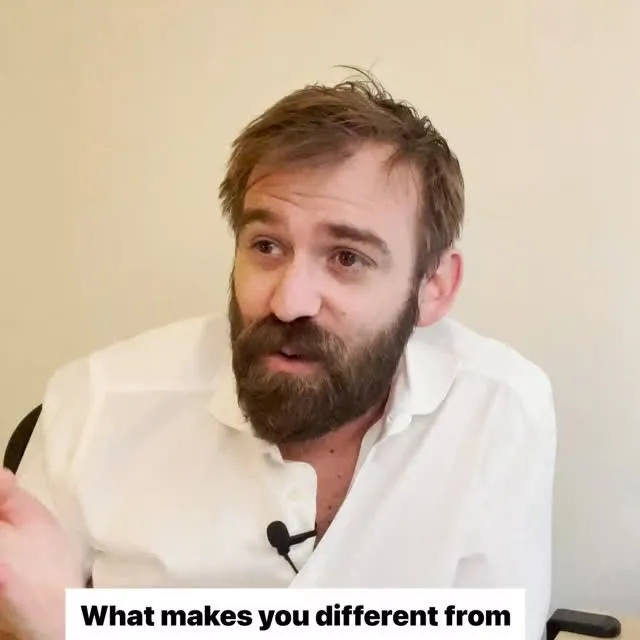
Justin Welsh, who built a large solo business documenting his own creator funnel, describes the structure as a simple journey an audience moves through, with each step raising the chance they become a customer. For a coach, that journey has a specific shape and a specific legal floor. The shape is: free content, a lead magnet, an owned email list, a nurture sequence, an offer. The legal floor is the set of FTC rules on earnings claims and testimonials that have already shut down coaching businesses that ignored them.
Most coaching funnels fail by ignoring one half or the other. The trust-only coach posts valuable free content for a year, builds a following on a platform they do not own, and never builds the path from content to list to offer, so the audience never converts. The pitch-only coach does the reverse: income screenshots, transformation testimonials, hard sells, and a straight line into the FTC enforcement that has cost other operators settlements and bans. The funnel that works refuses both halves of that failure.
This page documents the funnel I would build for a coaching business: a path that earns trust before it asks for money, an audience you own rather than rent, and claims that stay inside what the law permits. Every legal point is sourced to the FTC and every funnel principle to a named operator. Nothing here is income advice or legal advice, and the worked example is explicitly fictional. The system runs on a content calendar and an email tool.
The funnel, layer by layer (and the line you do not cross)
The free-content layer exists to get discovered and to demonstrate how you think, not to give away the full method. Welsh frames the discovery mechanic simply: the easiest way to get discovered is to create value where people are already consuming. For a coach, that means teaching the what and the why of your approach on the platforms your audience already uses, while the full how stays inside the paid offer. Free content that demonstrates competence earns the follow that the rest of the funnel converts.
The lead magnet and the email list are where the audience stops being rented and starts being owned. A lead magnet solves one small, specific problem completely in exchange for an email, and the small win it delivers does double duty: it proves your competence and it surfaces the larger problem your coaching addresses. Welsh states the ownership principle without hedging: own your audience through an email list rather than rent it through social media. A coach who builds only on a social platform is one algorithm change away from losing the audience their income depends on.
The nurture sequence is where most funnels die, because the instinct is to sell the moment the email arrives. The discipline is to keep giving value and earning trust before making any offer. A list pitched on day one unsubscribes; a list that has received weeks of genuinely useful email opens the offer with trust already built. The offer is made to the list, not broadcast to the cold feed, because the list is the audience that already knows your thinking.
Underneath all of it is the legal floor, and it is not optional. The FTC has acted against coaching businesses for deceptive earnings claims: in a 2024 settlement, the operators of a business-coaching program were ordered to pay and were banned from making false claims about how much money customers could earn (ftc.gov). And the FTC's rule on consumer reviews and testimonials took effect on October 21, 2024 (ftc.gov), banning fake and misleading testimonials with penalties in the tens of thousands of dollars per violation. The line is: substantiated, typical, honestly represented. Do not cross it for a faster sale.
Step-by-step: building the coaching funnel
Define the one transformation and write the free content
- When / duration
- ongoing, a few hours a week
- Tools
- a content calendar, your coaching method
- Deliverable
- a stream of free content that teaches the what and why of your approach
Name the single transformation your coaching delivers, then write free content that demonstrates the thinking behind it without handing over the complete how. Teach the principles, the framing, the common mistakes. Hold the full step-by-step method for the paid offer. Free content that proves you understand the problem deeply earns the follow; free content that is a thin teaser earns a scroll.
Publish where the audience already is and treat that surface as rented. The free content's job is discovery and trust, per Welsh's point that you create value where people already consume. The conversion to an owned channel happens at the next step.
Build a lead magnet that solves one small problem
- When / duration
- 1 to 2 days
- Tools
- a doc or template tool, a landing page, an email capture
- Deliverable
- a focused lead magnet (a checklist, template, or mini-guide) offered for an email
Pick one small, specific problem your audience has and solve it completely in the lead magnet. A focused tool that delivers a real small win beats a sprawling "ultimate guide" that delivers vague comfort, because the small win proves competence and the comfort proves nothing. Solving the small problem should make the prospect newly aware of the larger problem your coaching addresses.
Offer it in exchange for an email, on a simple landing page. This is the conversion from rented audience to owned contact. Do not gate it behind a phone number or a sales call; the lead magnet's job is to start the relationship, not to close it.
Move the audience to an owned email list
- When / duration
- built into the lead magnet
- Tools
- an email service provider, the landing page
- Deliverable
- a growing email list you own
The email captured by the lead magnet goes onto a list you own and control, not a follower count a platform controls. This is the structural insurance for the whole business. Welsh's own-versus-rent principle is the entire reason this step exists: a coach reliant on a rented platform is one suspension or algorithm change from losing their income channel.
Tag and segment as the list grows so later offers go to the right people, but keep it simple at the start. A clean list of engaged contacts beats a large list of strangers who grabbed a freebie and forgot you.
Write a nurture sequence that gives before it asks
- When / duration
- 2 to 3 days to draft
- Tools
- the email tool, your free-content archive
- Deliverable
- a multi-email nurture sequence that builds trust before any offer
Draft a sequence that continues delivering value (a useful idea, a reframe, a small actionable step) across several emails before it makes any pitch. The point is to extend the trust the free content started, so that by the time the offer arrives the reader already values your thinking. Selling on email one is the single most common way coaching funnels burn the list.
Keep the voice human and specific. A nurture sequence that reads like automated marketing gets unsubscribed; one that reads like useful letters from someone who knows the problem gets opened. The trust you build here is what makes the eventual offer land without a hard sell.
Make the offer with claims you can substantiate
- When / duration
- ongoing
- Tools
- the email list, your real client outcomes, the FTC guidance
- Deliverable
- an offer to the list that stays inside the FTC earnings-claim and testimonial rules
Make the offer to the warm list, not the cold feed. Frame the value around the transformation and the process, and keep every claim substantiated and typical. Do not promise income or guaranteed outcomes; the FTC has barred coaching operators for exactly that (ftc.gov).
Use testimonials only if they are real, representative, and honestly framed. An atypical result presented as the expected outcome, or a "results not typical" disclaimer pasted onto an extraordinary claim, runs afoul of the FTC testimonials rule that took effect in October 2024 (ftc.gov). Sell the honest version. It converts the right people and it does not end the business.
What good looks like (a worked sample funnel)
The funnel below is a clearly disclosed fictional worked example. The coach, the niche, and every number are invented to illustrate the structure and the legal floor. None of it is a promise about what any real coach will earn, and nothing here is income or legal advice.
Coach: a fictional sample operations coach for early-stage agency owners. The one transformation: helping a solo agency owner build the systems to take on a second client without working more hours. Free content: short posts and a weekly newsletter teaching the principles of agency systematization (the what and why), with the full implementation reserved for the paid program.
Lead magnet: a one-page "first client-handoff checklist" that solves one small problem (how to hand a single project to a contractor without it breaking) completely. Solving it makes the prospect aware of the larger problem (their whole business is undocumented), which is what the coaching addresses. It is offered for an email on a simple page. The nurture sequence: five emails over two weeks, each delivering one more usable systematization idea, with no offer until email six.
The offer, made to the warmed list: a group coaching program, priced and described around the process and the transformation, with testimonials from real past clients describing typical outcomes ("I documented my onboarding and stopped redoing it every time"), and zero income guarantees or atypical-result claims. The funnel is measurable at each step: which free content drives checklist sign-ups, which nurture emails drive replies, what share of the list books a call. The point of the example is the shape and the discipline, not the numbers, which are fictional.
Where coaching funnels break
Failure mode one: building only on rented land. The coach grows a large social following and never builds the lead magnet or the list, so an algorithm change or a suspension wipes out the audience. The fix is the owned email list, per Welsh's own-versus-rent principle. Followers are not an asset you control; a list is.
Failure mode two: selling the instant the email arrives. The lead magnet converts, the first email pitches, and the list unsubscribes before trust ever formed. The fix is the nurture sequence: give value across several emails before any offer. The email address is the start of the relationship, not permission to pitch immediately.
Failure mode three: crossing the earnings-claim line. The coach posts income screenshots and "you can make $X" promises, and walks into the exact territory the FTC has enforced against coaching businesses (ftc.gov). The fix is to drop income guarantees entirely and sell the process and the transformation with substantiated, typical claims.
Failure mode four: dressing up atypical testimonials. The funnel features the one client who got an extraordinary result and frames it as what buyers can expect, sometimes with a "results not typical" disclaimer that the FTC generally treats as insufficient (ftc.gov). The fix is to use representative testimonials describing typical outcomes, honestly framed.
A counter-perspective worth flagging
The trust-first, list-owned funnel is slow, and for some coaches that is a real cost rather than a virtue. A coach with an immediate cash need, or one testing whether a niche will pay at all before investing months, may rationally run a faster motion: a direct offer to a warm referral network, or paid traffic straight to a sales call, skipping the long nurture. The full funnel rewards patience, and not every coaching business is in a position to be patient.
There is also a legitimate critique that the lead-magnet-to-list-to-nurture pattern has become so standardized that audiences recognize and discount it. A sophisticated prospect knows the free checklist is bait for an email and the nurture sequence is a softening-up before a pitch. For some audiences, a more direct "here is what I do, here is the price, book a call if it fits" approach reads as more honest and converts the self-aware buyer faster than a long sequence.
Both critiques are about speed and audience sophistication, not about the legal floor, which does not flex. A faster funnel and a more direct offer are defensible choices. Income guarantees and atypical-result testimonials are not, regardless of how fast you want to move. The honest synthesis: choose the funnel speed that fits your cash position and your audience's sophistication, and keep every version of it inside the FTC rules. The patient funnel and the fast funnel can both be legal; only the deceptive one cannot.
Metrics to track on a coaching funnel
Four metrics, one per layer, so you can see where the funnel leaks rather than guessing.
Lead-magnet conversion rate (top-of-funnel signal): the share of free-content viewers or landing-page visitors who hand over an email. This tells you whether the free content earns enough trust and whether the lead magnet promises a worthwhile small win. A low rate usually means the lead magnet is too vague, not that you need more traffic.
Nurture engagement (trust signal): open and reply rates across the nurture sequence. Falling opens mean the sequence is pitching too soon or delivering too little value; healthy replies mean trust is building and the offer will land. Read this before you read the sales number, because the sales number is downstream of it.
Offer conversion from the list (revenue signal): the share of the warmed list that takes the offer (books a call, buys, applies). This is the number the whole funnel exists to move, but it is only interpretable once the upstream metrics are healthy. A low offer conversion on an engaged list is an offer problem; a low one on a disengaged list is a nurture problem.
Compliance review (the non-negotiable check): a periodic pass over every public claim and testimonial against the FTC rules (ftc.gov). This is not a growth metric; it is a survival metric. The coaching businesses the FTC has acted against did not fail because their funnels were slow. They failed because their claims crossed a line. Audit for that line on a schedule.
Where a planning-first tool fits
The funnel runs on a content calendar and an email service provider; those are the load-bearing tools, not anything new. Where a planning-first tool helps is the top of the funnel: planning the free-content stream that teaches the what and why, mapping which topics feed which lead magnet, and keeping the publishing cadence organized so the discovery layer does not go quiet. Superdirector is one option for that content-planning step (a spreadsheet and a calendar do the same job). It plans and structures the content; it does not run your email list, make your offer, host your lead magnet, or generate, edit, schedule, or publish video. Critically, no tool absolves you of the compliance work: the claims and testimonials are your responsibility regardless of what software drafts the plan.
Sample Execution Plans
These example scripts show what this use case looks like once strategy turns into an actual production brief.
Across matched samples, the use case is translated into scripts of about 5 beats, repeatable setups in Darkened room/studio space and Outdoor desert or minimalist urban area and Dimly lit home studio and Window view of city street, and reference-backed decisions from aliabdaal and meshtimes.
Script examples

The Odyssey Plan: Choosing Your Path
Do you ever feel like you're just... waiting for your real life to start?
A vulnerable look at balancing three potential lives using the Odyssey Plan framework.
Reference source (featured reference): The Odyssey Plan is a method that helps you align with your future self when it comes to your life and goals 🤝 (This technique comes from Dave Evans and Bill… by @aliabdaal

Project Neon: Visualizing the Bass
Most people just hear the music at a rave. I wanted to see it.
A solo creator unveils a custom generative AI app that maps SF nightlife soundscapes in real-time using a unique tactile interface.
Reference source (featured reference): most things are designed to be consumed passively. i wanted to design something that asks for interaction. something more mindful and intimate. comment "HEAR… by @meshtimes

The Reality Glitch
I wanted to see if I could rewrite reality using just my code.
A solo developer bridges the gap between code and physical reality using a real-time AI overlay.
Reference source (featured reference): you can use @efectodotapp not just to design apps or websites but any visual assets, and since you can connect it to your codebase, it knows your brand/style b… by @pablostanley
Production cues
- The examples are intentionally executable: roughly 5 beats and a clear hook up front.
- The production setups repeat around Darkened room/studio space and Outdoor desert or minimalist urban area and Dimly lit home studio and Window view of city street.
- Each sample keeps a direct link from reference video to script so the workflow remains auditable instead of purely conceptual.
Adaptation notes
- Use the sample hook as a structure reference, then replace the subject matter with your own offer or audience pain.
- Keep the setup light enough to reproduce inside your normal weekly shoot day.
- Treat the linked analysis as the creative reference and the script as the execution layer you customize.
Disclosure by Bell Chen, founder of Superdirector: the brand-profile and content-planning features mentioned here are part of the product I build. It is a planning and intelligence tool that sits upstream of production; it does not run funnels, send email, or generate, edit, schedule, or publish video. Nothing on this page is legal, financial, or income advice. The FTC summaries are plain-language descriptions of public materials cited inline; consult counsel for your specific offers and claims, and assume earnings guarantees and atypical-result testimonials carry real legal risk.
Frequently asked questions
What does a coaching content funnel actually look like?
Four layers. Free content that demonstrates your thinking and gets you discovered. A lead magnet that solves one small problem in exchange for an email. An owned email list you move people to. A nurture sequence that keeps giving value before it makes an offer. Justin Welsh, who has documented his own creator funnel in detail, describes it as a simple journey an audience moves through, with each step increasing the chance they become a customer. The coaching version is that journey with a coaching offer at the end and trust built at every step before it.
Why move people off social media to an email list?
Because you own the list and you rent the social platform. A platform can change its algorithm, suspend your account, or bury your reach overnight, and your audience is gone. An email list is yours. Welsh frames the principle as owning your audience through an email list rather than renting it through social media. For a coach whose income depends on reaching the same people repeatedly, owning the channel is not optional. The free content earns the follow; the lead magnet converts the follow into an owned contact.
When in the funnel should I start selling?
Later than your instinct says. The most common funnel-killing mistake is getting the email address and immediately pitching. The nurture sequence should continue providing value and building trust before it makes any offer, because a cold list pitched on day one unsubscribes. Give before you ask. The offer lands when the list already trusts your thinking from the free content and the nurture, not when it has just handed over an email in exchange for a checklist.
What FTC rules do coaching funnels have to respect?
Two big ones. First, earnings and outcome claims must be substantiated and typical. The FTC has acted against coaching businesses for exactly this: in a 2024 settlement, the operators of a business-coaching program were ordered to pay and were barred from making false claims about how much money customers could earn (https://www.ftc.gov/news-events/news/press-releases/2025/01/ftc-proposes-rule-changes-new-rule-deter-deceptive-earnings-claims-multilevel-marketers-money-making). Second, testimonials must be real and representative. The FTC's rule on consumer reviews and testimonials took effect October 21, 2024 (https://www.ftc.gov/news-events/news/press-releases/2024/08/federal-trade-commission-announces-final-rule-banning-fake-reviews-testimonials), banning fake and misleading testimonials, with penalties that run to tens of thousands of dollars per violation. A "results not typical" disclaimer does not cure an otherwise misleading atypical-result claim.
Can I use client testimonials in a coaching funnel?
Yes, if they are real, representative, and disclosed. A genuine testimonial from a real client describing a typical outcome is fine. The problems start when the testimonial features an atypical result presented as what a buyer can expect, or when a "results not typical" disclaimer is bolted onto an extraordinary claim, which the FTC generally treats as insufficient to cure the deception. The FTC's testimonials rule (https://www.ftc.gov/news-events/news/press-releases/2024/08/federal-trade-commission-announces-final-rule-banning-fake-reviews-testimonials) also bans testimonials by insiders that hide their connection. Use real outcomes, represent them honestly, and do not let your best result masquerade as your average one.
How do I make a lead magnet that actually converts to clients?
Solve one small, specific problem completely, and let solving it reveal the larger problem your coaching addresses. A lead magnet that solves a small problem fully earns trust and demonstrates competence; a vague "ultimate guide" that solves nothing teaches the prospect that your paid offer probably solves nothing either. The mechanism is a small win that unlocks awareness of the bigger win you sell. The lead magnet is not the place to hold back the good stuff; it is the place to prove the good stuff exists.
Get a concrete campaign artifact in 30 seconds
Plan a trust-first coaching content funnel in a planning-first tool